
Why Personal Time Has Become So Rare — and So Necessary
Not very long ago, spending time alone was simply part of the rhythm of life. People walked home without headphones, waited quietly at bus stops, or sat on balconies watching the evening settle in. Those moments weren’t planned or labelled as “self-care.” They just happened naturally.
Today it’s different.
Even when we are technically alone, we’re rarely disconnected. A phone lights up, a message appears, a notification demands attention. Silence gets filled almost automatically — scrolling, replying, checking something “for just a minute.”
And before we realize it, the small spaces where we might have been alone with our thoughts disappear.
The strange part is that many people now feel mentally crowded even when they’re sitting by themselves. It’s not because there are people around. It’s because the mind never really gets a chance to be still.
Solitude Is Not the Same as Loneliness
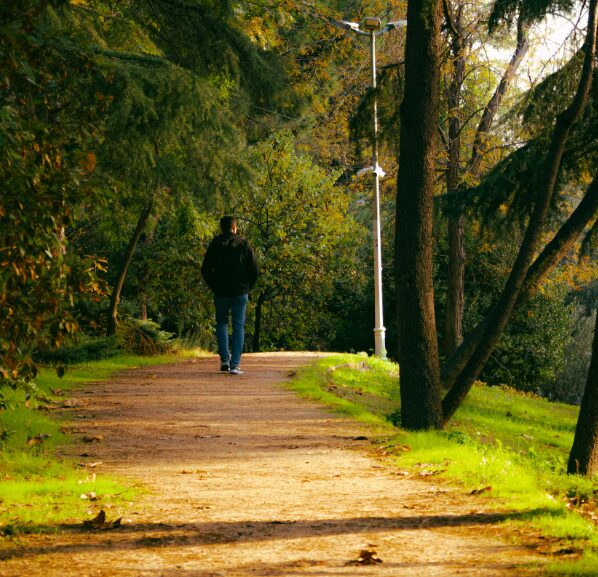

There’s a common misunderstanding that being alone automatically means being lonely. But the two experiences are actually very different.
Loneliness feels heavy. It usually carries the sense that something is missing — a conversation, a connection, a presence that isn’t there.
Solitude, on the other hand, can feel surprisingly peaceful.
It might look like a quiet walk where no one is rushing you. Or sitting by a window with a cup of tea and no particular plan. Sometimes it’s simply choosing not to respond to every notification immediately.
In those moments, being alone doesn’t feel empty. It feels spacious.
The difference lies in choice. Loneliness is usually unwanted. Solitude is something people step into willingly, even if only for a short while.
Why the Mind Needs Quiet More Than We Realize
Most days are full of input. Conversations, responsibilities, headlines, updates, notifications — it all piles up faster than we notice.
The mind absorbs all of it.
But what we often forget is that the brain doesn’t just need information. It also needs time to process it. Without quiet moments, thoughts tend to remain scattered. Ideas start but never fully form. Emotions get pushed aside rather than understood.
Solitude works almost like a reset button.
When the noise fades for a while, the mind slowly begins to settle. Thoughts that felt tangled during a busy day suddenly become clearer. Small worries lose some of their intensity.
It’s not dramatic or instant. But the shift is noticeable.
Why So Many Ideas Appear When We’re Alone

If you ask writers, artists, or even people who simply enjoy thinking deeply, many of them will tell you the same thing: their best ideas rarely arrive in crowded rooms.
They appear during quiet moments.
Walking alone down a familiar street. Sitting somewhere with a notebook. Staring out of a train window without any particular goal.
When the mind isn’t constantly reacting to outside stimulation, it begins to wander in a more creative direction. Thoughts connect in ways they wouldn’t if attention was divided.
That’s why some of the most useful thinking happens when people are doing something simple — walking, washing dishes, or sitting quietly.
Solitude gives ideas room to breathe.
Small Pockets of Personal Time
The good news is that personal time doesn’t require drastic lifestyle changes. It doesn’t mean disappearing into the mountains or turning off the world entirely.
Often it’s just small pockets of time.
A few minutes in the morning before checking the phone. A short walk after dinner. Sitting quietly with a book instead of jumping from one screen to another.
These moments may look insignificant on the surface. But over time they start to feel essential.
They create breathing space in days that might otherwise feel tightly packed.
Learning to Sit With Silence
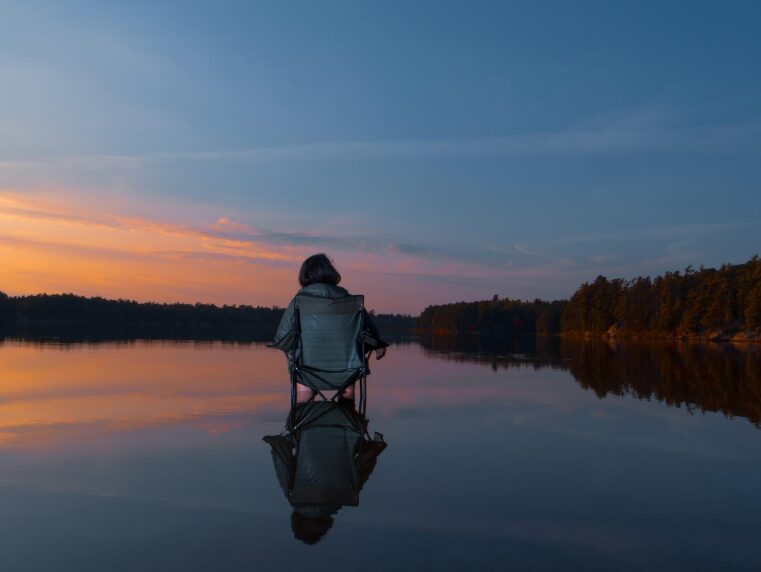

For some people, silence can feel uncomfortable at first. When distractions fade, thoughts sometimes appear that were easy to ignore before.
But that discomfort usually fades with time.
Silence slowly becomes something else — a pause rather than an absence. A place where thoughts can pass through without urgency.
Many people eventually discover that these quiet moments become the most calming parts of the day.
It’s not because anything dramatic happens. It’s because nothing needs to happen.
Finding Balance Between Connection and Solitude
Human beings naturally need other people. Conversation, shared laughter, and companionship are essential parts of life.
But constant interaction without any personal space can become exhausting.
The healthiest balance often comes from having both — meaningful time with others and small periods of solitude.
One provides connection. The other provides clarity.
In a world that rarely stops talking, rediscovering quiet personal time might be one of the simplest ways to feel a little more grounded again.
Related Posts


About The Author

Hasnain Haider Abbas
Hasnain Haider Abbas is a 25 years old web entrepreneur and founder of Articlesteller.com. In the early stage of his life, he fell in love with technology, His expertise is in SEO, Content writing, Social Media, Affiliate Marketing, Web development, and Business promotion.
