
Edge Computing Brings Tech Near Everyday Life
A while back, tech life centered on the cloud. Snap a picture? It likely vanished into some faraway server. When businesses gathered info, processing happened out of sight – hidden inside vast computing hubs few ever visited. Centralization worked well enough. Handling huge loads felt simpler when everything ran from one controlled spot.
Roundabouts appear where progress should be straight lines. The fix that worked before now reveals cracks. Lately, those building systems observe a pattern – pushing all data through distant pathways doesn’t make sense every time. It drags behind at times. Efficiency fades here and there. Under particular conditions, danger creeps in unnoticed.
A shift has slipped into tech circles, nudging things toward what they call edge computing. Sounds complex at first glance – yet the core thought? Simple. Rather than shuttle every piece of information across distances to distant machines, processing now happens nearer to the source itself.
The Trouble of Distance in a Quick Online Era
Instant access is what many link to the web. Open an app, hit play on a clip, pull up a page – results show fast. Usually, it just happens, no questions asked.
Flying unseen, data zips nonstop between gadgets and central hubs. Though nearly instant, how far it goes plays a role. Hopping across several systems along the way, messages travel many legs before arriving where they need to be.
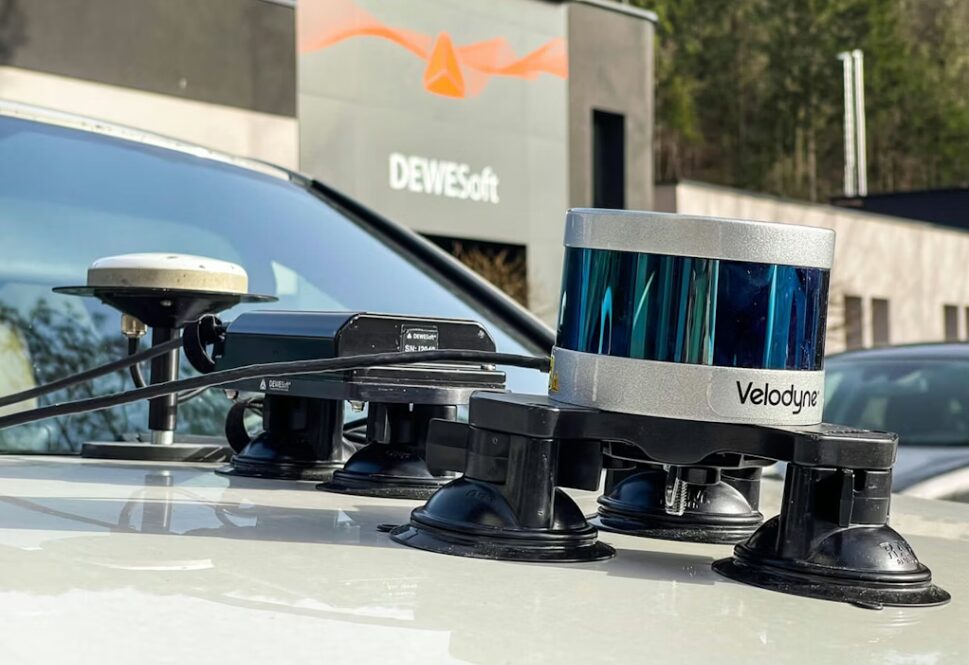
Most basic jobs won’t show any lag at all. Yet when timing matters, the smallest gap can cause trouble. Picture a driverless vehicle judging if it must brake or swerve around something ahead. Waiting for data to zip halfway around Earth and return takes too long. The call has to come right then, without pause.
Fewer delays happen when data gets handled right where it’s created. Processing stays local, so responses come faster without long trips to distant servers.
The world is getting more smart devices
Picture this: more gizmos now link online than ever before. Back ten years, it was just laptops – sometimes a phone too. Now? Everything from fridges to watches joins the web. This surge pushes edge computing into the spotlight.
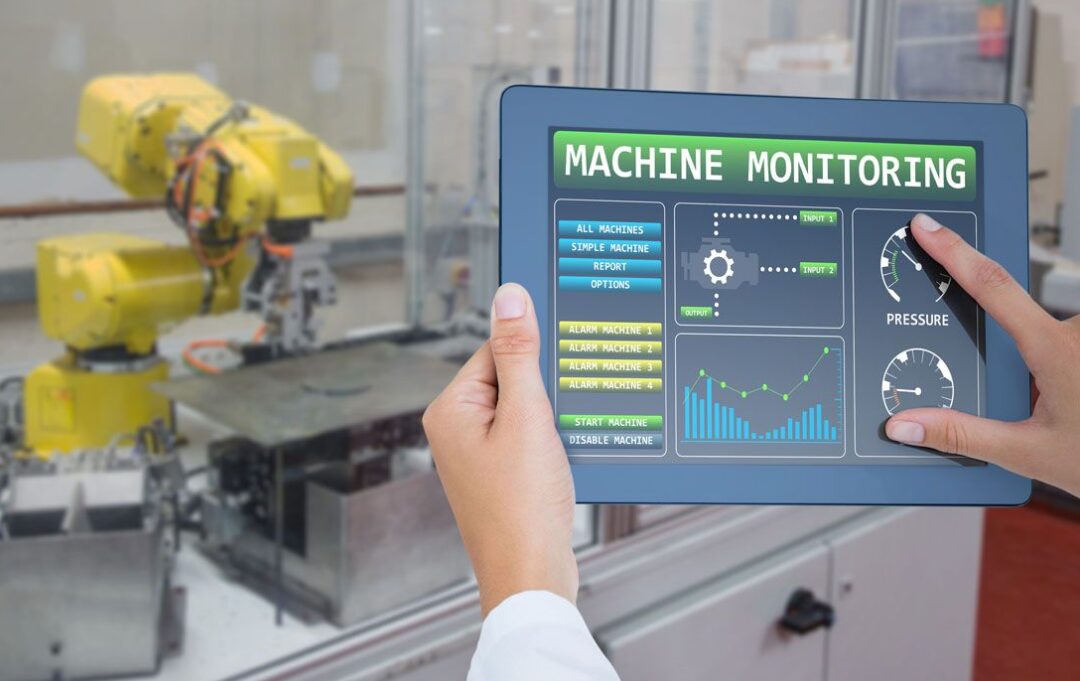
Out there, homes run with voice gadgets, video doorbells, digital climate controls, activity bands, along with fridges or ovens that talk to apps. Flip it sideways – industry takes it further. Think factories packed with countless small monitors tracking gear health, room heat, power draw, plus how fast things move down assembly tracks.
When each device streams unprocessed data nonstop to the cloud, traffic piles up fast. Right where the data is collected, edge computing handles sorting and crunching – only meaningful results make their way upstream.
Fewer things move around now because tech figures out what truly matters on its own.
Privacy Gets More Attention

Lately, curiosity around personal data use has grown stronger among everyday folks. With stories of hacks and online tracking spreading fast, a growing number now pause before sharing details anywhere.
Processing things close to where they’re created might ease some worries. Information handled on site often stays put, never traveling far. Less movement cuts down chances of private details slipping out.
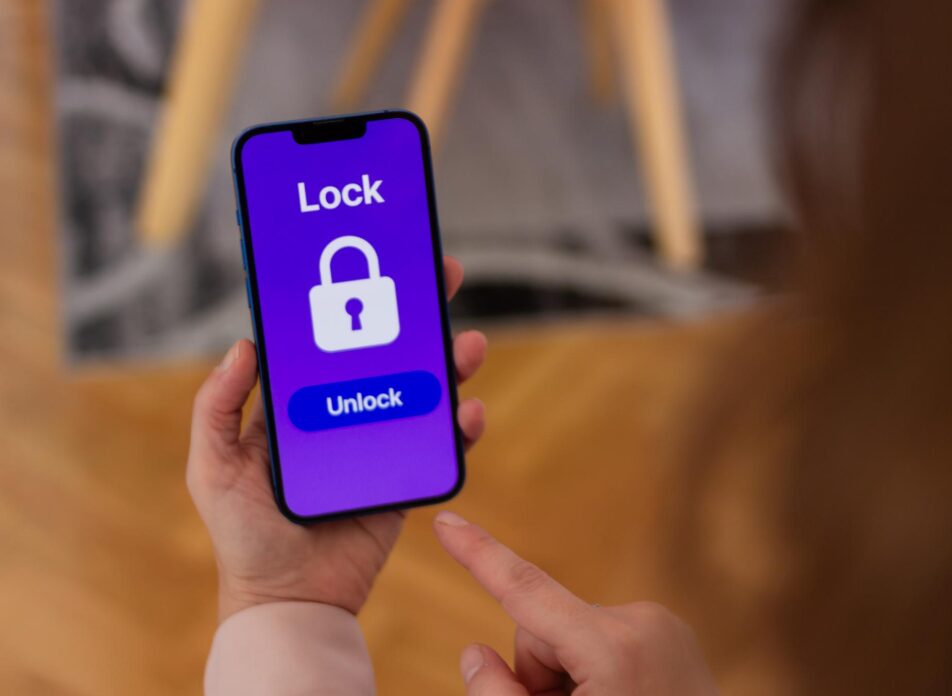
Picture this: newer gadgets handle things such as understanding speech or analyzing photos right where they are, without pushing files off to distant computers. Everything feels unchanged when you’re using it, yet your information never travels far.
Finding ways to keep information closer to home helps guard it a bit better. Sure, threats remain even then. Hardware must stay shielded by solid defenses while network setups often grow tricky to handle. Still, less travel for data means one more wall stands between it and harm.
Faster networks reshape how things work
Faster connections change how machines share work. When networks improve, pieces spread out instead of piling up in one spot. Distance matters less if signals move quick and steady. Splitting tasks across places starts making sense when delays fade. One main center loses its edge when speed opens new options.
One reason things have changed so much? 5G is now live in many areas. Because signals travel faster, gadgets talk to nearby computers without delay. Rather than routing everything through distant hubs, processing happens at compact spots near where people actually are.
When speed matters most, this approach shines. Augmented reality needs split-second decisions, while city traffic networks rely on instant data flow. Robotics move without delay because computation happens right where it’s needed.
Fewer smooth operations happen across these tools when edge computing steps away.
Edge Computing In Action Today
Far from just a sci-fi idea, edge computing runs unseen today across many fields. Yet it’s active now, slipping into operations without fanfare.
A single heartbeat at a time, wearables track what your body does each night and day. Instead of waiting, they study the data right there – sending only pieces to doctors when ready.
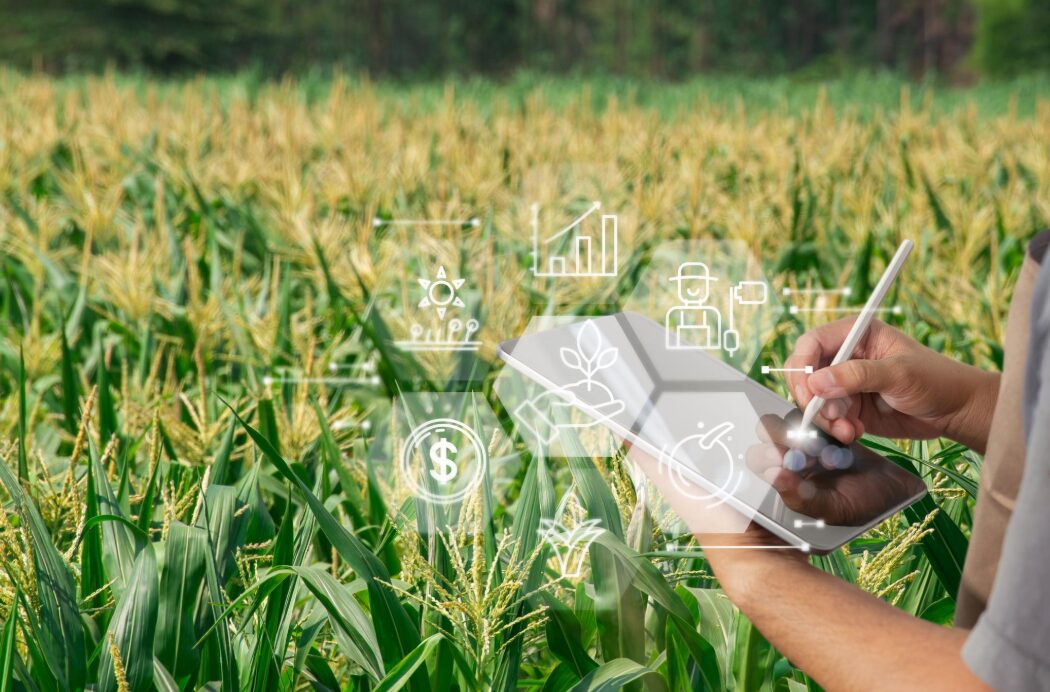
Farms are starting to use local tech setups more often. Right where crops grow, gadgets check how wet the dirt is, what the air feels like, sometimes even how plants are doing. Information does not travel far now – machines close by handle it, speaking up just if something needs attention.
A few shops test things like this too. As shoppers move through aisles, hidden tools track their paths. This data shows where people pause or reach for items. When behavior gets recorded, store layouts might shift slightly. Movements help reveal what grabs attention near shelves.
Out near the edges, that is where online games start feeling quicker. When players link up with servers close by instead of faraway ones, everything moves without hiccups. Lag slips away because distance shrinks between user and machine.
The Future Will Probably Combine Cloud and Edge
Even with the buzz about edge computing growing, clouds stay put. Big data hubs keep handling tons of info, also managing heavy-duty number crunching. What lives far out on the edge doesn’t replace what hums deep inside central systems.
A shift toward equilibrium appears underway. Immediate tasks land on edge setups, whereas ongoing ones move to the cloud. Real-time choices happen locally, yet heavy number crunching lives remotely. Storage stretches across time, meanwhile computation splits by urgency.
The Challenges Behind the Technology
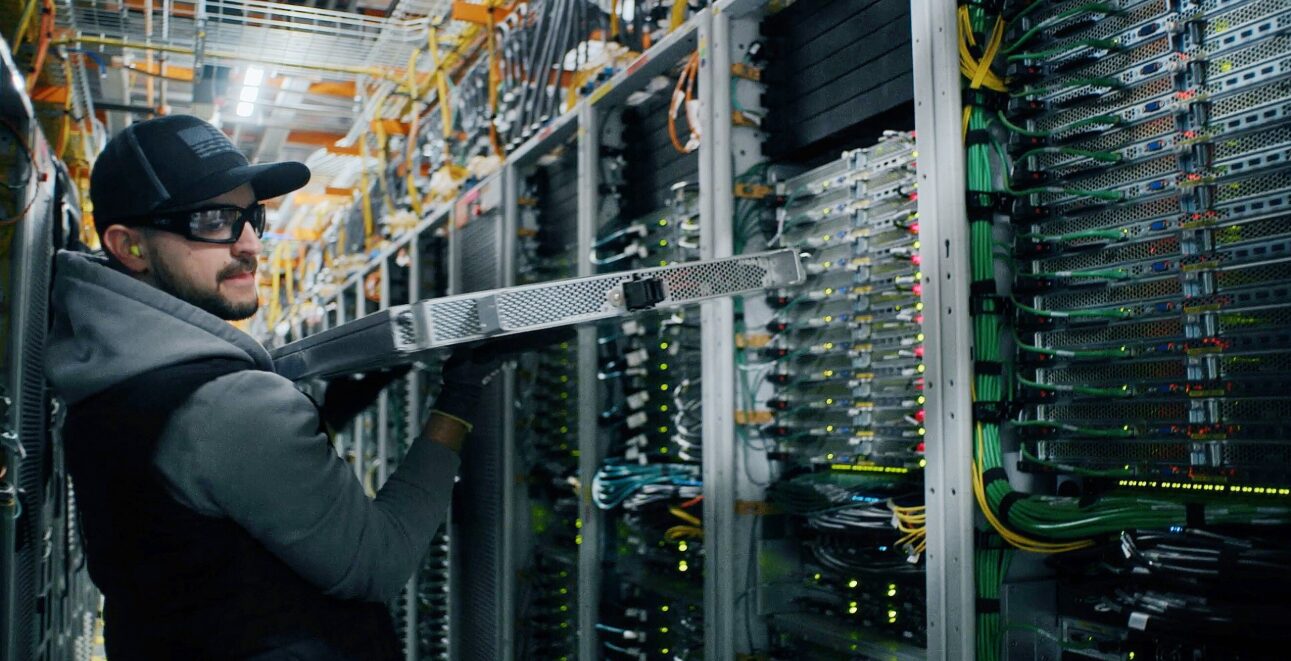
While edge computing sounds promising, it also comes with its own set of challenges. Managing thousands—or sometimes millions—of distributed devices is very different from maintaining a few centralized servers. Each edge device needs to stay updated, secure, and connected. If even a small part of the system fails, it can interrupt the flow of information across the network.
There is also the issue of coordination. When data is processed in multiple locations instead of one central place, systems must constantly make sure that everything remains synchronized. Engineers and developers are still working on better ways to manage these distributed environments so that they remain reliable and stable over time.
Because of these complexities, many organizations are taking a gradual approach. Instead of replacing their current infrastructure completely, they are slowly integrating edge systems where they make the most sense.
Edge Computing and the Future of Smart Cities
One area where edge computing could make a noticeable impact is in the development of smart cities. Urban environments are becoming increasingly connected, with sensors monitoring traffic flow, air quality, public transportation, and energy usage.
If all this data had to travel to distant servers before any decisions were made, responses would often be too slow. Edge computing allows nearby systems to analyze information in real time. Traffic lights, for example, could adjust automatically based on congestion levels, helping reduce traffic jams and improve the flow of vehicles.
Energy systems could also become more responsive. By analyzing demand locally, cities might distribute electricity more efficiently and reduce waste. Over time, these small improvements could make cities more sustainable and easier to manage as populations continue to grow.
A Future Where Devices Become Smarter

One of the most interesting outcomes of edge computing is that devices themselves are becoming more capable. Instead of acting only as tools that send data elsewhere for processing, many devices are starting to analyze information on their own.
Artificial intelligence models are increasingly being designed to run directly on phones, cameras, or other hardware. This means devices can recognize patterns, respond to changes, and perform complex tasks without constantly relying on cloud servers.
As this technology continues to evolve, everyday devices may become far more intelligent and responsive. Your phone might understand your habits better, your car could react instantly to road conditions, and household appliances may adjust automatically to your routines.
In many ways, edge computing is helping technology become more aware of its surroundings, making digital systems feel faster, smarter, and more intuitive to use.
Related Posts
-
 Locast org activate | How to Activate the Locast Application on your devices
-
All About Samsung Girl: A Big Triumph For Samsung via The Sensational Samsung Virtual Assistant!
-
How to change AirDrop name on your Apple device? (Step-by-step guide)
-
Here’s how to connect Apple Pencil to iPad in a couple of easy steps

About The Author

Hasnain Haider Abbas
Hasnain Haider Abbas is a 25 years old web entrepreneur and founder of Articlesteller.com. In the early stage of his life, he fell in love with technology, His expertise is in SEO, Content writing, Social Media, Affiliate Marketing, Web development, and Business promotion.
