
The Psychology of Personal Style: It Was Never Just About Clothes
I never thought of myself as someone who cared deeply about clothes. I wasn’t the person planning outfits the night before or following every new trend. Getting dressed was just… practical. Necessary. Automatic.
Until I started paying attention to how different days felt.
There were mornings when I chose something properly. Not fancy. Not expensive. Just intentional. And somehow the day unfolded differently. I spoke more clearly in meetings. I didn’t second-guess my sentences halfway through. I made eye contact longer.
And then there were days I rolled out of bed late, grabbed whatever was clean, and rushed out. Those days felt slightly foggy. Not bad. Just unfinished. Like I hadn’t fully stepped into myself.
No one else commented. But I felt the shift.
That’s when it hit me — clothes aren’t neutral.
Your Body Reacts Before You Do
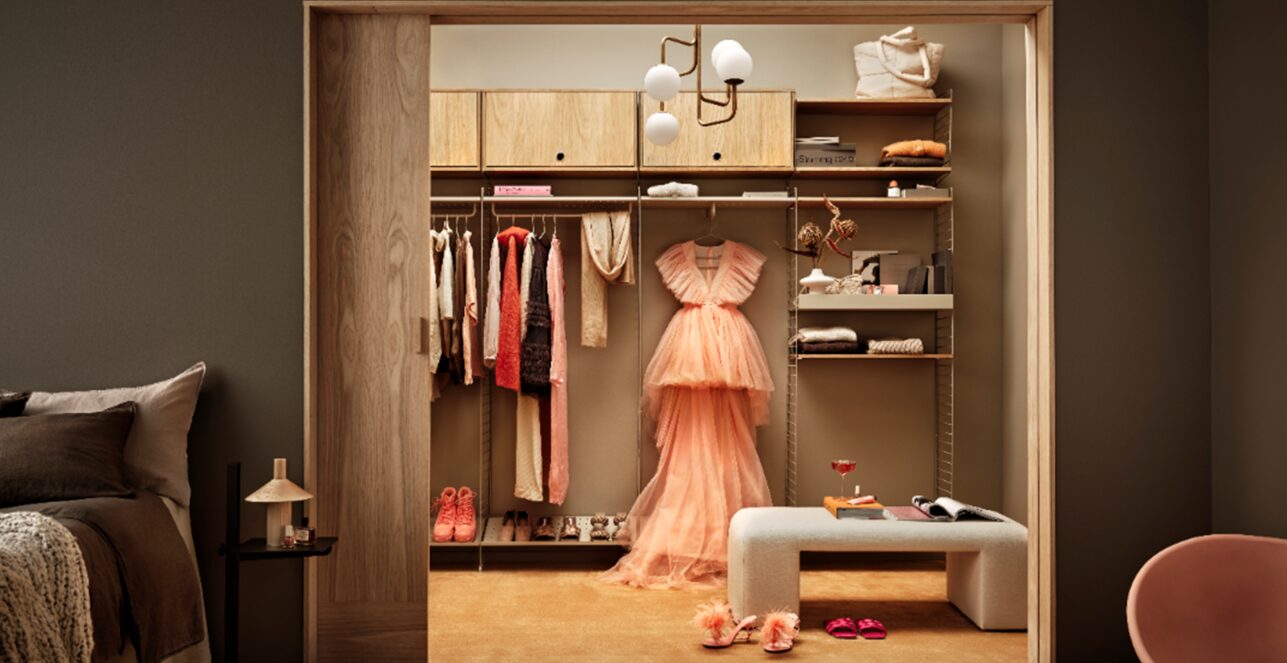
It’s strange how your body responds to fabric and structure before your brain even catches up.
Put on something tailored and your shoulders straighten almost automatically. Wear something oversized and soft, and your posture relaxes. Stay in lounge clothes too long and the day never quite feels like it has started.
You don’t sit there thinking, “Ah yes, this blazer has activated my ambitious mindset.” It’s subtler than that.
It’s almost physical memory.
Your brain associates certain outfits with certain versions of you. The focused version. The relaxed version. The social version. The private version.
And without realizing it, you start behaving accordingly.
It’s not fake. It’s not performative. It’s just association layered over time.
When Something Feels “Not Like You”
We’ve all worn something that looked good in theory but felt wrong in practice.
Maybe it was trendy. Maybe someone complimented it. But the whole day you felt slightly off. You adjusted it constantly. You felt visible in the wrong way.
That feeling isn’t about insecurity. It’s about alignment.
When something doesn’t match how you see yourself internally, it creates friction. And friction drains energy.
But when something does feel like you, you forget you’re wearing it. It disappears into your movement. You don’t tug at it. You don’t check yourself in reflective surfaces.
You just exist.
And that ease? That’s confidence in its most natural form.
The Awkward Phase of Leveling Up
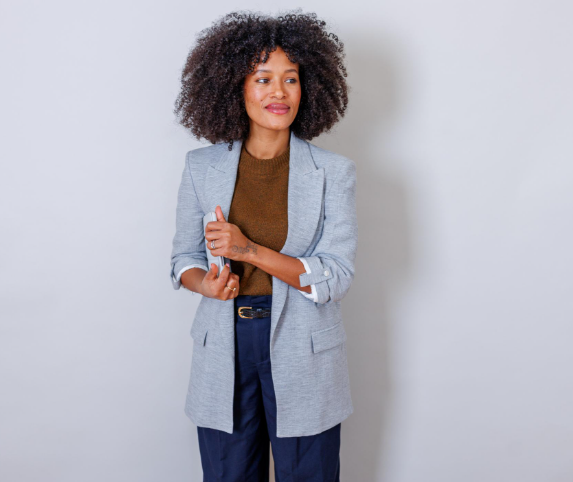

There’s also a phase people don’t talk about.
When you start dressing slightly differently — sharper, cleaner, more deliberate — it feels uncomfortable at first. Almost like you’re pretending.
I remember the first time I wore something more structured than usual to an event where most people were dressed casually. I felt overdressed for the first ten minutes. Hyper-aware. Questioning myself.
Then something interesting happened. I stopped noticing.
And after a few similar situations, it stopped feeling bold. It just felt normal.
Confidence isn’t always a personality trait. Sometimes it’s repetition.
The first time feels exposed. The tenth time feels aligned.
Minimalism Doesn’t Work If It’s Not Yours
There’s a lot of talk about capsule wardrobes. Clean closets. Ten pieces that “do it all.”
And yes, fewer choices reduce decision fatigue. But copying someone else’s simplicity doesn’t magically give you clarity.
If you naturally gravitate toward color, forcing yourself into neutrals because it looks sophisticated online will eventually feel restrictive.
If you prefer understated clothing, pushing yourself into statement pieces because they look confident will feel loud in the wrong way.
The real shift happens when your wardrobe starts reflecting your actual personality instead of your aspirational Pinterest board.
It’s not about having less. It’s about having what makes sense for you.
Dressing for the Person You’re Becoming

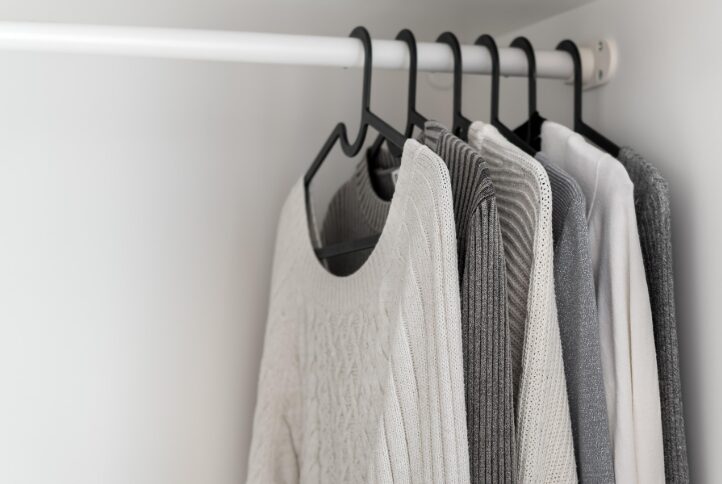
There’s something quietly powerful about buying clothes for the next version of yourself.
Not the fantasy version. Not the unrealistic one. Just the slightly upgraded one.
The one who speaks a bit more firmly. The one who takes themselves seriously. The one who walks into rooms without shrinking.
When you dress in alignment with that version, even before you fully feel like them, something shifts. It’s subtle. But it builds.
You don’t magically transform. But you reduce hesitation.
And sometimes reducing hesitation is enough to change outcomes.
It’s Actually About Self-Respect
Over time, I realized the biggest change wasn’t about style at all. It was about care.
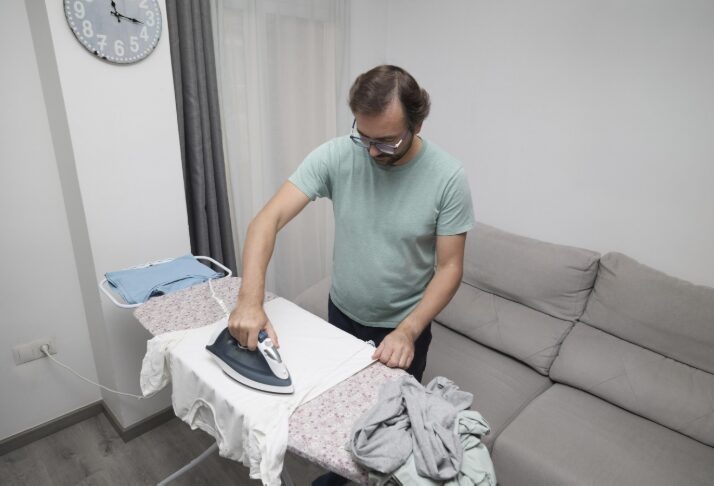
Taking a few extra minutes in the morning. Ironing something instead of grabbing it wrinkled. Cleaning shoes instead of ignoring them. Folding clothes instead of letting them pile up.
No one applauds those things. No one even notices most of the time.
But you notice.
And those small signals add up internally. They communicate something quiet but powerful: “I value myself enough to show up intentionally.”
Even on days when no one else is watching.
It Was Never Just Fabric

Clothes don’t define who you are. But they influence how you move through the world more than we like to admit.
They affect posture. Tone. Energy. Presence.
They don’t create confidence from nothing — but they can remove friction that blocks it.
And maybe that’s the real point.
Getting dressed isn’t about impressing anyone. It’s a daily alignment exercise. A small, almost invisible choice that says, “This is how I’m showing up today.”
No spotlight. No announcement.
Just a quiet adjustment — repeated often enough — that slowly shapes who you become.


About The Author

Hasnain Haider Abbas
Hasnain Haider Abbas is a 25 years old web entrepreneur and founder of Articlesteller.com. In the early stage of his life, he fell in love with technology, His expertise is in SEO, Content writing, Social Media, Affiliate Marketing, Web development, and Business promotion.
